Kitchen Remodel Cost at a Glance
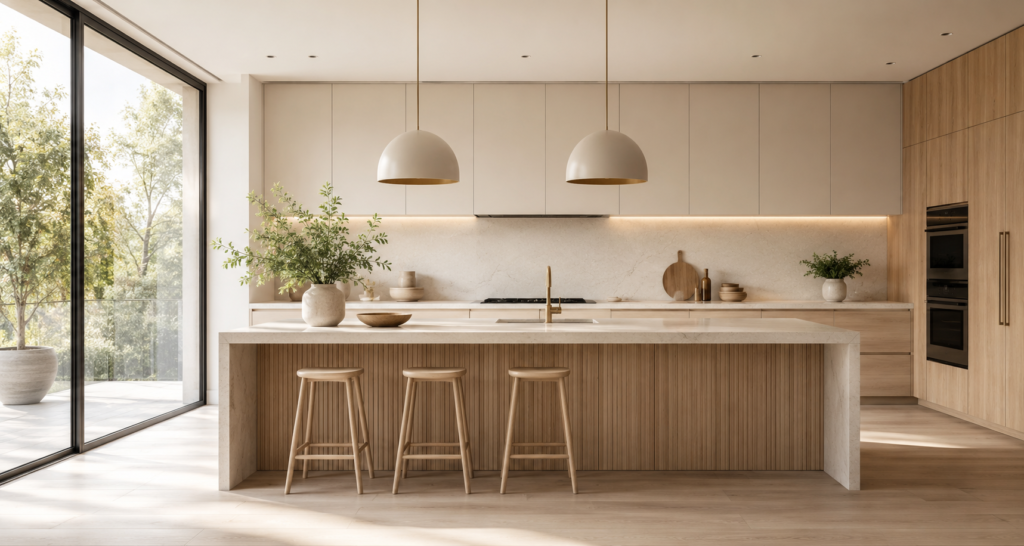
Planning a kitchen renovation and wondering how much it will cost? In 2026, the average professional kitchen remodel costs approximately $26,996, with many projects falling between $14,592 and $41,617. However, your actual kitchen remodel cost could be as low as $5,000–$10,000 for a basic refresh or exceed $100,000 for a complete, high-end renovation.
The biggest factors are your kitchen’s size, cabinet choices, countertops, appliances, labor costs, and whether you keep your existing layout. A small kitchen with new cabinets and countertops can cost more than expected, while a larger kitchen may be more affordable per square foot if you keep plumbing and electrical connections in place.
Want a quick estimate? Use our Kitchen Remodel Cost Calculator to estimate your project based on kitchen size, location, materials, and renovation level.
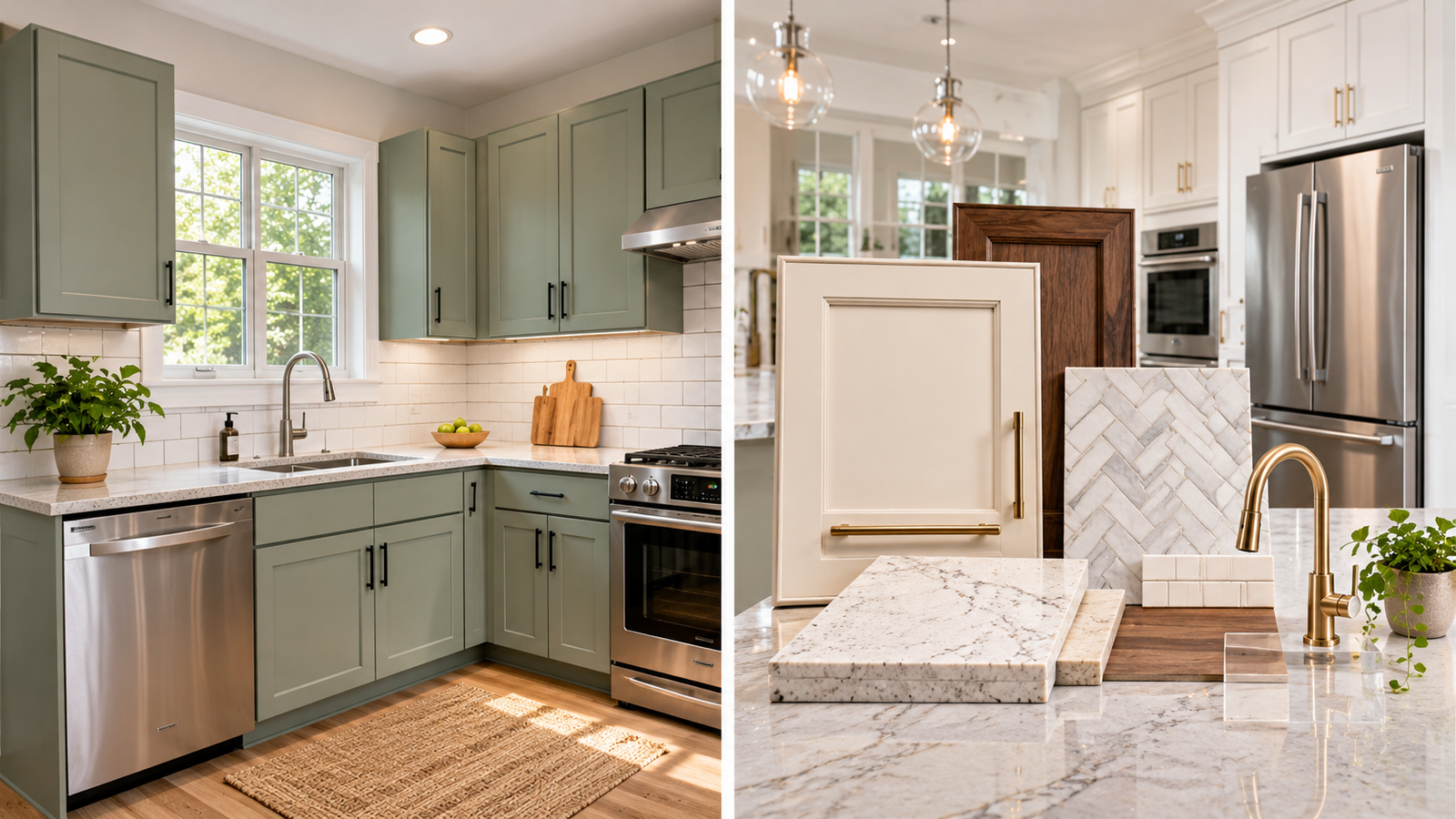
For a national benchmark, Angi’s kitchen remodeling cost guide reports an average project cost of approximately $26,996 and a typical range of $14,592–$41,617. The 2026 Houzz Kitchen Trends Study reports median spending of $20,000 for minor remodels and $55,000 for major remodels among homeowners who completed projects by mid-2025. These figures use different methods and should be treated as separate reference points, not one universal price.
Average Kitchen Remodel Cost by Project Type
Your budget depends on how much of the kitchen you plan to change. A cosmetic refresh is very different from replacing cabinets, appliances, flooring, and plumbing.
| Type of remodel | Typical planning budget | What it may include |
|---|---|---|
| Basic kitchen refresh | $5,000–$10,000 | Paint, hardware, lighting, faucet and small cosmetic updates |
| Minor kitchen remodel | $10,000–$20,000 | Cabinet refinishing, new backsplash, selected countertops or appliances |
| Mid-range kitchen remodel | $20,000–$50,000 | New cabinets, countertops, flooring, appliances and lighting |
| Major kitchen remodel | $50,000–$65,000+ | Many new components and some layout or utility changes |
| Complete or upscale remodel | $65,000–$130,000+ | Custom cabinetry, premium materials, appliances and extensive construction |
These are broad planning ranges, not guaranteed contractor prices. Local labor rates, material selections, kitchen condition, and project scope can move the final quote outside these ranges.
Basic Kitchen Refresh: $5,000–$10,000
A basic refresh improves the look of an existing kitchen without replacing every major component. It may include painting walls and cabinets, replacing handles, installing a new faucet, updating light fixtures, refreshing the backsplash, and making minor repairs. This works best when the cabinets, flooring, appliances, and plumbing are still in good condition.
Minor Kitchen Remodel: $10,000–$20,000
A minor remodel may include cabinet refinishing or refacing, new countertops, a sink and faucet, updated flooring, a backsplash, improved lighting, and selected appliance replacements. It is a practical option when the current layout works but the finishes need an update.
Mid-Range Kitchen Remodel: $20,000–$50,000
A mid-range project often replaces several major components, such as stock or semi-custom cabinets, quartz or granite countertops, appliances, flooring, backsplash, and lighting. Keeping the existing layout can help this budget go further.
Major or Complete Kitchen Remodel: $50,000–$130,000+
A major remodel may include custom cabinets, premium countertops and appliances, new flooring, plumbing and electrical work, a larger island, structural changes, or moving walls. The more construction and layout changes you make, the more the cost can rise.
Kitchen Remodel Cost by Size
Kitchen size affects the amount of material and labor required, but square footage alone does not determine the total price. Small kitchens can have a higher cost per square foot because fixed expenses such as demolition, design, and installation are spread over less space.
Angi’s published estimates put kitchen remodeling costs at roughly $75–$250 per square foot, depending on the project. The table below applies that broad range to example kitchen sizes; it is a starting estimate, not a contractor quote.
| Kitchen size | Approximate area | Illustrative cost range |
|---|---|---|
| Small kitchen | 75 sq. ft. | $5,600–$18,750 |
| 10×10 kitchen | 100 sq. ft. | $7,500–$25,000 |
| Medium kitchen | 150 sq. ft. | $11,250–$37,500 |
| Large kitchen | 200 sq. ft. | $15,000–$50,000 |
How Much Does a 10×10 Kitchen Remodel Cost?
A 10×10 kitchen has about 100 square feet of floor space. A broad planning range is $7,500–$25,000, depending on materials, labor, and project scope. A cosmetic refresh may cost less, while a more extensive renovation can exceed this range.
| Project level | Example work | Planning budget |
|---|---|---|
| Budget update | Paint, hardware, lighting and selected improvements | $5,000–$10,000 |
| Mid-range update | Countertops, flooring, sink, selected cabinets and appliances | $10,000–$20,000 |
| More extensive remodel | New cabinets, countertops, appliances and additional work | $20,000–$35,000+ |
These are illustrative budgets, not fixed market prices. For layout inspiration, see our kitchen layout ideas, then use the Kitchen Remodel Cost Calculator to estimate your own project.
How Much Does a Small Kitchen Remodel Cost?
A small kitchen remodel may cost around $10,500–$20,000 for a project involving 70–100 square feet, although a basic cosmetic update can cost less. Cabinets, countertops, appliances, flooring, and labor are usually the main expenses. Keep the existing layout, refinish sound cabinets, compare countertop materials, and reuse working appliances to control costs.
Kitchen Remodel Cost Breakdown: Where Does the Money Go?
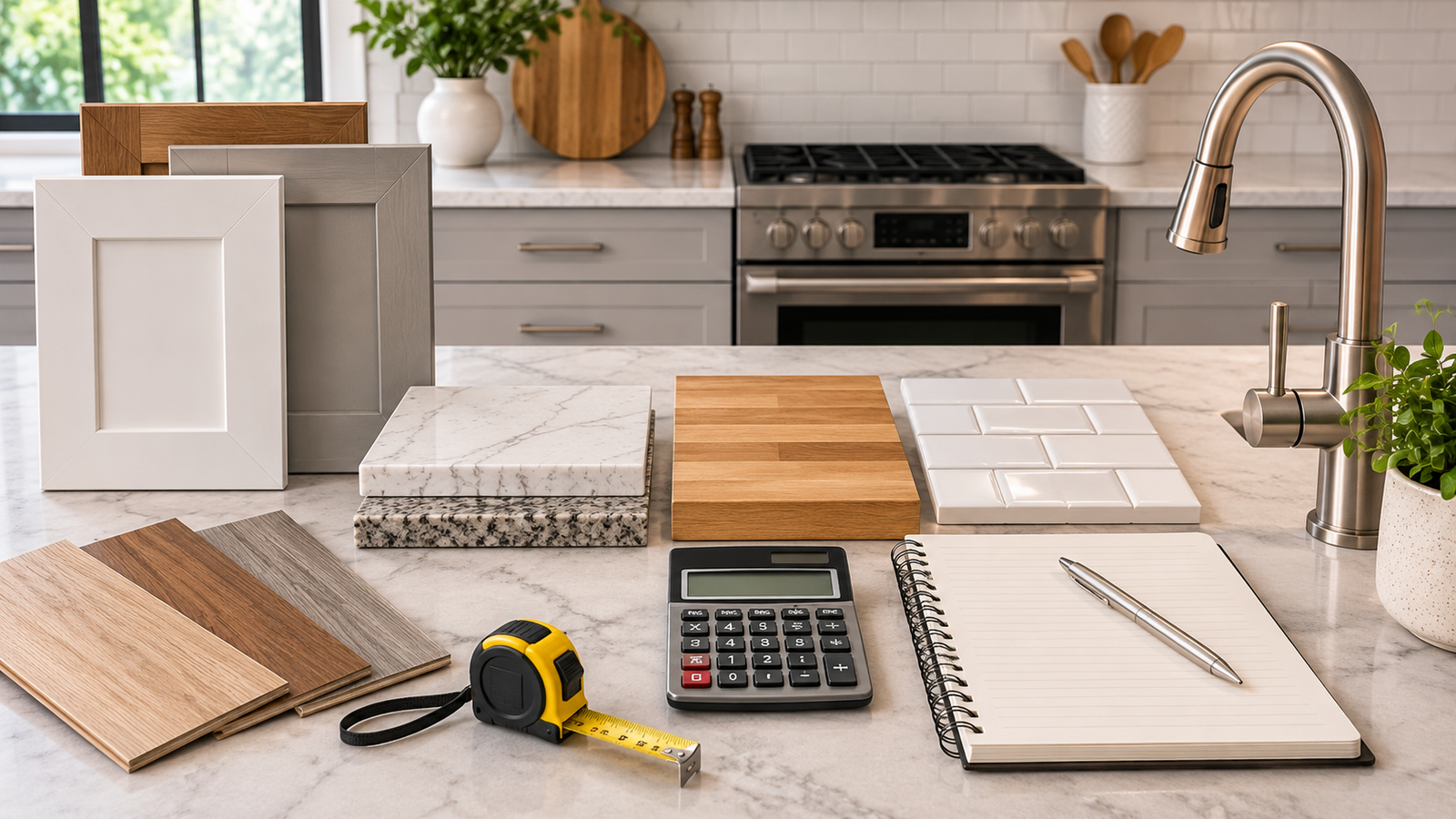
Understanding the main expenses helps you decide where to spend and where to save. Your final quote should separate materials, labor, removal, installation, and any additional work.
1. Kitchen Cabinets
Cabinets are often one of the largest kitchen remodeling expenses. The price depends on quantity, material, construction, finish, hardware, and installation. Stock cabinets are generally the most budget-friendly replacement option; semi-custom cabinets offer more choices, while custom cabinets are made for your space and usually cost more. If the cabinet boxes are sturdy, refinishing or refacing may cost less than replacing the entire system. Use our Kitchen Cabinet Calculator to plan cabinet quantities and sizes.
2. Kitchen Countertops
Countertop costs depend on material, surface area, thickness, edge style, cutouts, and installation. Common choices include laminate, butcher block, quartz, granite, marble, and porcelain. Compare installed prices, not material prices alone. Our Kitchen Countertop Calculator can help estimate the surface area you need. You can also read our guide to average kitchen countertop size.
3. Kitchen Appliances
Appliances can take a significant share of the budget, especially if you replace the refrigerator, range, oven, dishwasher, hood, and microwave at the same time. If an appliance works well and fits the new design, keeping it may free up money for cabinets or countertops.
4. Flooring
Flooring prices vary with material, preparation, area, and installation. Common options include vinyl, luxury vinyl plank, ceramic tile, porcelain tile, hardwood, and laminate. Consider durability, water resistance, maintenance, and how the floor will look with your cabinets.
5. Backsplash
A backsplash protects the wall behind the counter and adds visual interest. Ceramic, porcelain, glass, natural stone, and slab materials all have different material and installation costs.
6. Labor and Installation
Labor may include demolition, cabinet installation, countertop fitting, flooring, painting, plumbing, electrical work, and appliance installation. Costs depend on your location, project size, contractor experience, and how complicated the work is. Ask contractors to separate labor from materials in their estimates.
7. Plumbing and Electrical Work
Keeping the sink, dishwasher, range, and electrical connections in their current locations can help control costs. Moving them may require new water and drain lines, wiring, outlets, gas connections, lighting circuits, or other work. Use qualified professionals for electrical, gas, plumbing, and structural work as required by local rules.
8. Permits, Demolition, and Unexpected Repairs
Depending on the work and local building department, permits or inspections may be required. Also budget for removing old cabinets and counters, debris disposal, wall and floor repairs, damaged plumbing, outdated wiring, water damage, and subfloor repairs.
Is $10,000 Enough to Remodel a Kitchen?
Yes, $10,000 can be enough for a limited kitchen update, especially if you keep the existing layout, cabinets, and appliances. You might use the budget for cabinet painting, new hardware, a modest countertop upgrade, a faucet, lighting, and finishing improvements. It is less likely to cover a full professional remodel with new cabinets, appliances, flooring, countertops, and major plumbing or electrical changes.
To make a $10,000 budget work, keep sound cabinet boxes, replace only worn surfaces, reuse working appliances, choose standard materials, avoid moving utilities, and get several written contractor estimates.
Is $30,000 Enough for a Kitchen Remodel?
A $30,000 budget can cover a well-planned mid-range remodel, particularly when the existing layout stays the same. It may be enough for cabinets, countertops, flooring, selected appliances, and lighting. It may be difficult to cover custom cabinets, premium appliances, a large island, and major plumbing or structural changes within the same budget.
Before starting, price each part of the project separately: cabinets, countertops, appliances, flooring and backsplash, plumbing and electrical, labor and demolition, and a contingency for unexpected work. These are budget categories, not fixed percentage allocations.
What Is the 30% Rule for Kitchen Remodeling?
There is no universal 30% rule that every homeowner must follow when remodeling a kitchen. Some renovation advice uses a percentage of a home’s value as a spending guideline, but it should not replace a real project estimate. Consider your available budget, home value, how long you plan to stay, the kitchen’s condition, and the improvements you need. Do not spend more simply because a percentage-based rule suggests you can.
How to Save Money on a Kitchen Remodel
Keep Your Existing Kitchen Layout
Moving plumbing, gas lines, electrical connections, and appliances can add labor and installation costs. If your current layout works, consider keeping it and improving cabinets, countertops, lighting, and storage instead.
Refinish Cabinets Instead of Replacing Them
If the cabinet boxes are structurally sound, painting, refinishing, or refacing them may be more affordable than buying a complete new system.
Compare Countertop Materials
Quartz, granite, marble, laminate, and butcher block have different prices and maintenance needs. Compare installed prices, including fabrication and cutouts.
Choose Standard Cabinet Sizes
Standard-size cabinets are often easier to source than custom cabinets and can reduce ordering complexity.
Keep Appliances That Still Work
Replacing appliances only to match a new style can add unnecessary expense. Keep working appliances if they fit the plan and meet your needs.
Get Multiple Contractor Quotes
Request detailed written estimates from at least three qualified contractors. Check that each quote covers similar materials, labor, demolition, installation, permits where applicable, and cleanup.
How to Plan Your Kitchen Remodeling Budget
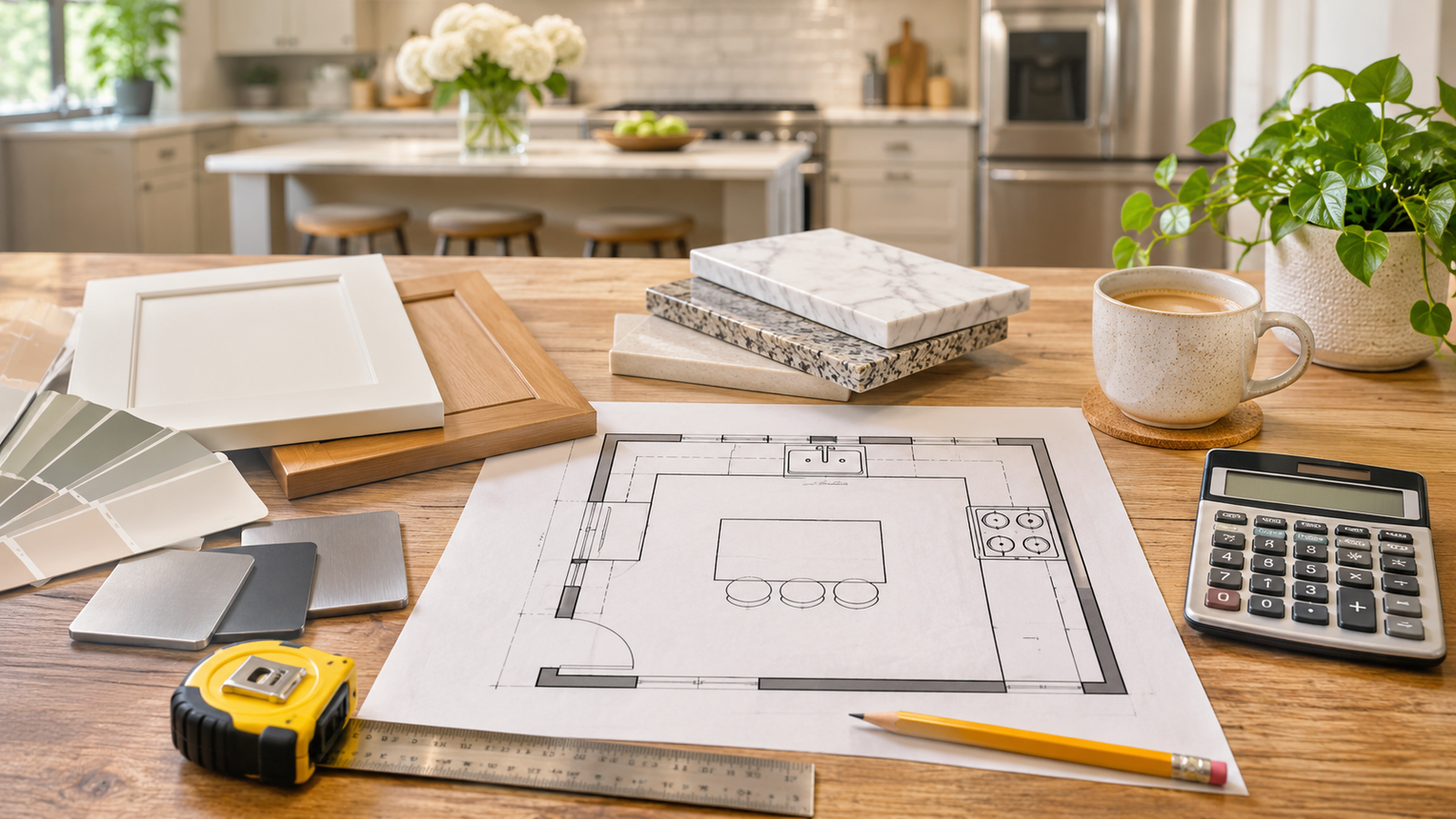
Before construction begins, list everything you want to change. A simple planning process can help prevent unexpected spending.
- Measure your kitchen. Record the room’s length and width, cabinet layout, countertop area, and appliance locations.
- Decide what must be replaced. Identify damaged cabinets, worn countertops, old appliances, and flooring that needs attention.
- Choose your renovation level. Decide whether you want a basic refresh, minor remodel, mid-range upgrade, or complete renovation.
- Price your materials. Compare cabinet, countertop, flooring, backsplash, and appliance options.
- Get contractor estimates. Ask for written quotes that explain what is included and excluded.
- Set aside extra money. Keep a reserve for unexpected repairs, delivery delays, or changes during construction.
- Finalize your plan before demolition. Confirm measurements, materials, delivery dates, and the order of work.
For a more complete planning guide, follow our Kitchen Remodeling Checklist.
Frequently Asked Questions
1. What is the average cost of a kitchen remodel in 2026?
The average kitchen remodel cost in 2026 depends on the kitchen’s size, materials, labor rates, and project scope. A minor renovation may cost a few thousand dollars, while a major remodel with new cabinets, countertops, appliances, and layout changes can cost $30,000–$75,000 or more.
2. How much does a 10×10 kitchen remodel cost?
A 10×10 kitchen remodel can cost approximately $15,000–$30,000 for a mid-range renovation. The final price depends on cabinet quality, countertop materials, appliances, flooring, labor, and whether plumbing or electrical work is required.
3. Can I remodel my kitchen for $10,000?
Yes. A $10,000 budget can cover a small kitchen refresh if you keep the existing layout and avoid major structural changes. Consider painting cabinets, replacing hardware, installing an affordable backsplash, updating lighting, and choosing budget-friendly countertops.
4. What is the most expensive part of a kitchen remodel?
Cabinetry is often one of the most expensive parts of a kitchen remodel. Custom cabinets, premium materials, and professional installation can significantly increase costs. Labor, appliances, and countertops can also account for a substantial portion of the budget.
5. Does remodeling a kitchen increase home value?
A kitchen remodel can improve a home’s appeal and resale value, but the return depends on the renovation cost, quality of materials, local housing market, and buyer preferences. Practical upgrades and a functional layout may offer better value than expensive custom features.
Final Thoughts
A kitchen remodel can cost anywhere from a few thousand dollars for a basic refresh to more than $100,000 for a complete high-end renovation. The right budget depends on the size of your kitchen, what needs replacing, your material choices, and whether you plan to change the layout.
Start by identifying the improvements that matter most, comparing material prices, and getting detailed contractor estimates before beginning construction. To get a starting estimate for your own project, try our Kitchen Remodel Cost Calculator.